


















DESIGN ARCHIVE: LIBRARY OF BIRMINGHAM

 Design Archive: Library of Birmingham
Est. 2013 (origins: 1865)
Location: Birmingham (UK)
The story of the Birmingham’s commercial, industrial and design history is bound up inextricably with the collections of the Library of Birmingham, currently under construction and due to open in September 2013. Alongside around 2 million books, CDs, DVDs and other audio-visual material, the Library will house a wealth of material, which demonstrates Birmingham’s place as a centre of innovation and design over the last 300 years.
The Library’s collections are particularly strong from the mid-18th century, when Birmingham became a manufacturing centre. The most significant of these relate to the partnership of Matthew Boulton and James Watt. Described as ‘the single most important source on the history of the Industrial Revolution’, the collections include information not only on the steam engine business, but also the professional and personal lives of Boulton and Watt, and their links to other businessmen across the region. Alongside them, the archives of other significant names such as Metro-Cammell, BSA, Cadbury’s, John Hardman demonstrate the breadth of trade carried out in the city.
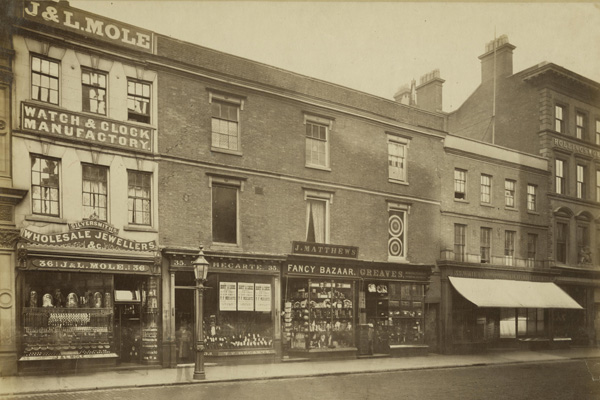
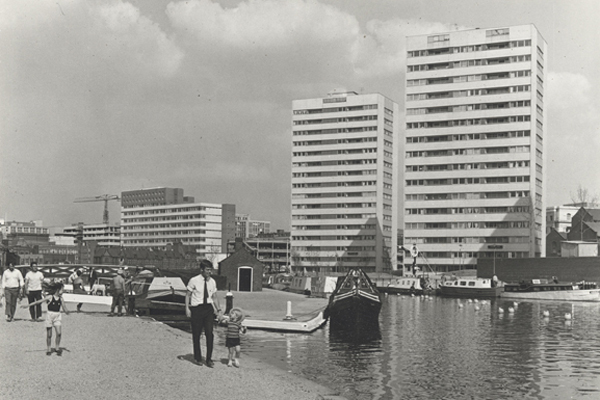
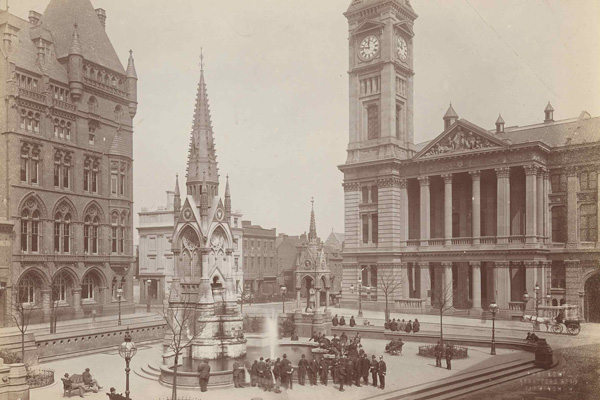 The archival material is complemented by the Library’s photographic collections, numbering around 2.5 million photographic images dating back to the earliest days of photography. They include images of local industry and events designed to promote local innovation and manufacturing, such as the regular Industrial Exhibitions held in Bingley Hall (now the site of the ICC) during much of the nineteenth century. The photographic collections document the changing face of Birmingham, with the work of commercial studios sitting alongside the work of amateur photographers.
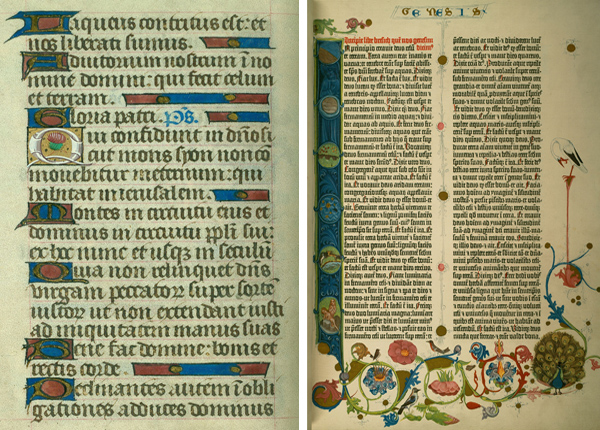 The Library also holds an exceptional collection of early printed books. The Early and Fine Printing collection is made up of 13,000 volumes; 8,000 of these were printed before 1701, whilst 128 are incunabula (the Latin for ‘cradle’, referring to the earliest days of the book printing process), and printed before 1501. The collection includes work by local printer and designer John Baskerville, who was active in the late 18th century and whose typeface is still used. One of his earliest works, an edition of Virgil, was supported thanks to local subscribers, amongst them Matthew Boulton.
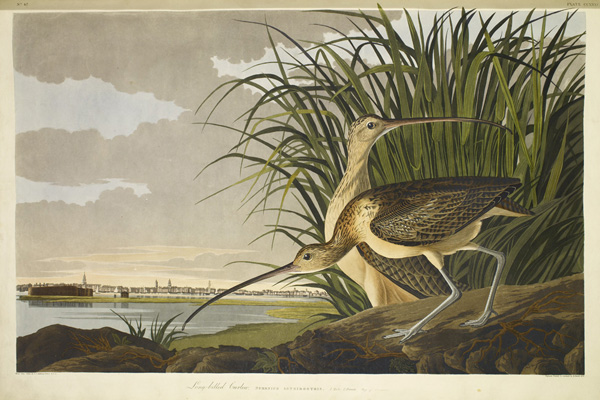 In terms of fine printing and illustrated books, the Library’s collection is exceptional. It includes a copy of John James Audubon’s Birds of America, the Library’s most valuable book. In four volumes, each measuring 91cm by 61cm unopened (a format known as ‘double elephant folio’, for obvious reasons), the book includes 435 hand-coloured aquatints, all drawn life-size. The skill involved in producing such a work is apparent almost 200 years after it was first created, and it is a powerful inspiration for designers and printers today.
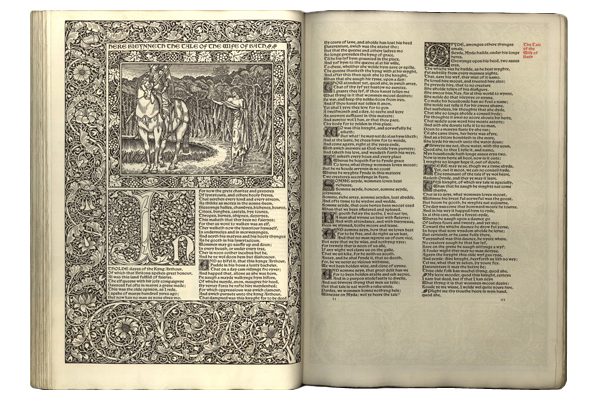 The collection is complemented by a range of small press books. This includes a complete collection of Kelmscott Press books printed under the direction of William Morris, including their most renowned book, the Works of Chaucer (1896) and illustrated with engravings by Edward Burne-Jones. The Library continues to purchase work from a number of private presses, and the collection will form an invaluable resource in the new Library.
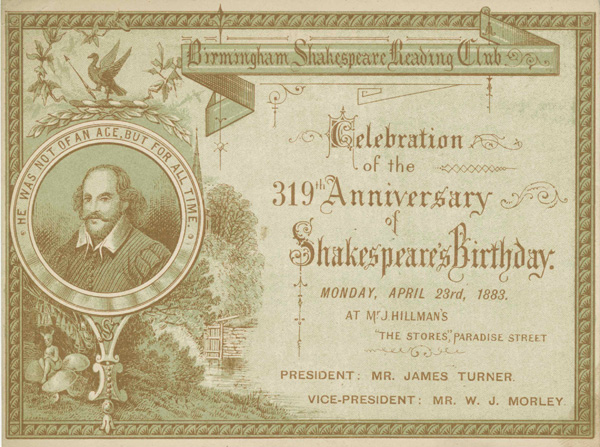 The Library holds an exceptional Shakespeare collection. As well as editions of the plays in hundreds of languages, the collection includes some of the more ephemeral ‘Shakespeariana’ – posters, programmes and other publications which draw on images from the plays. The collection includes a copy of the First Folio, the first collected edition of many of Shakespeare’s plays, printed in 1623 and one of the Library’s most valuable items.

 Following the move to the Library of Birmingham, all of these resources will be stored in specially designed, purpose built accommodation to ensure they are preserved for the use of future generations. The new Library will also provide other facilities to promote access to these collections – these include dedicated reading rooms, an exhibition Gallery and 300-seat studio theatre, as well as two external terraces and other events spaces.
Alongside the building, digital access to the collections is an important aspiration for the Library of Birmingham. A dedicated website will showcase the Library’s full range of resources, whilst projection, digital signage and touch screen technology will be used in the building to engage with visitors, and encourage them to learn more about the services on offer. The overall aim is to link the different services, collections and resources which the Library holds, to provide a full-rounded experience for the user.
Obsessionistas would like to personally thank Brian Gambles - Chief Executive at Library of Birmingham Development Trust and David Bishop - Development Manager for Archives & Heritage; for helping facilitate access to the Library's historical archive material and sharing these exclusive insights.
Visit The Library of Birmingham website here
Learn more about the origins of Birmingham's Central libraries here
All images © Library of Birmingham and used with their kind permission.
Library cut away image and video by Mecanoo Architects